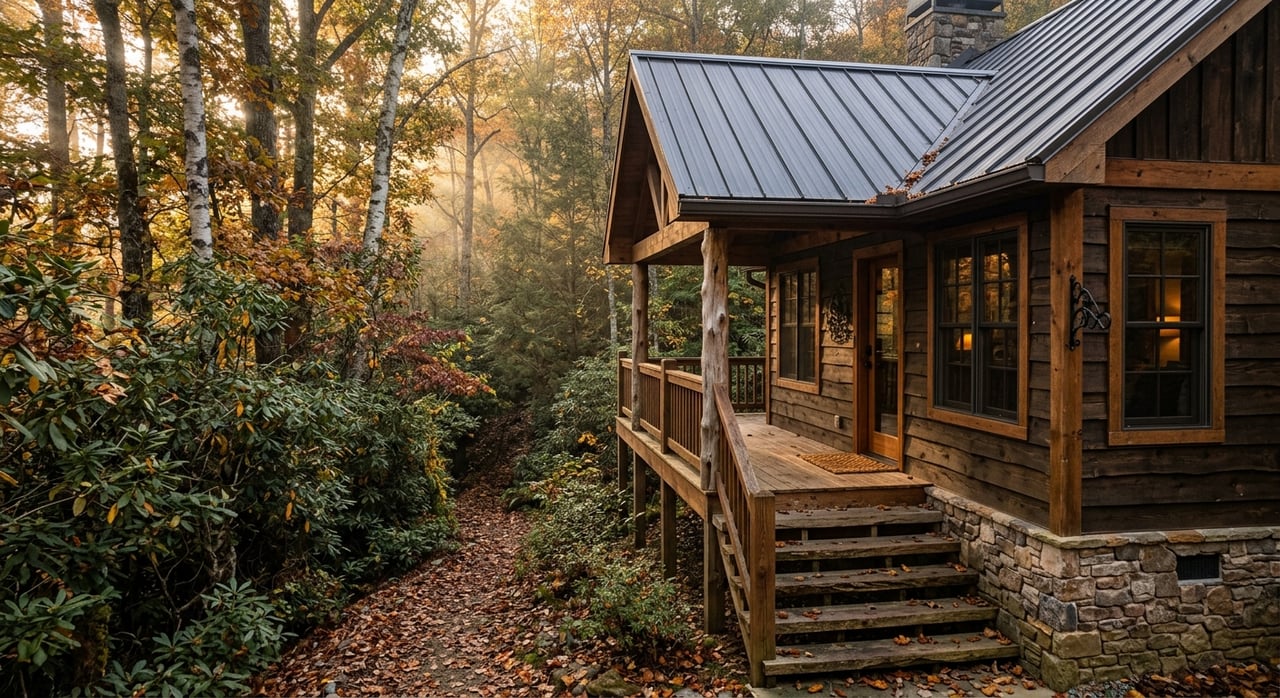
Dreaming about a quiet cabin, ridgeline views, and easy access to trails and public land? Owning a mountain retreat in Fulton County can absolutely deliver that slower, outdoors-focused lifestyle, but it also comes with practical responsibilities that matter before you buy. If you want a place that feels like an escape and functions well year-round, it helps to understand how this rural market really works. Let’s dive in.
Why Fulton County Appeals to Retreat Buyers
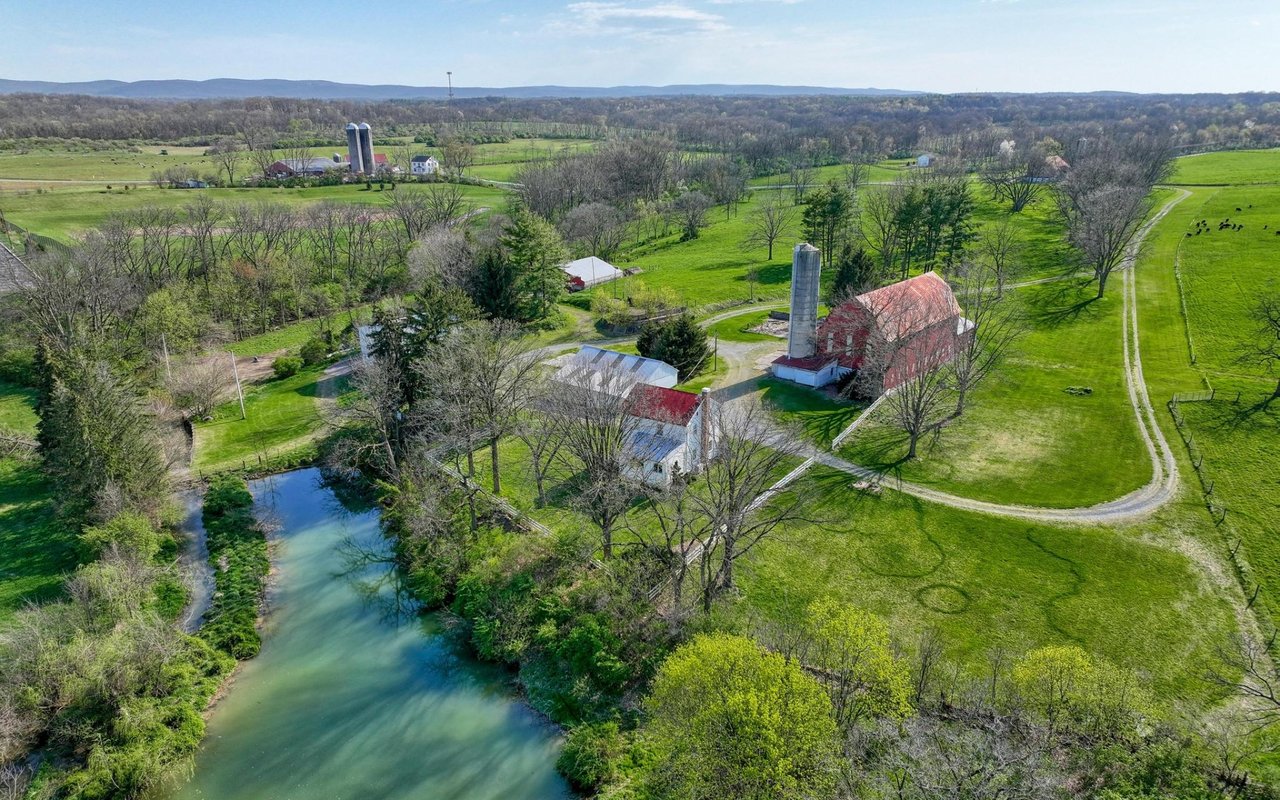
Fulton County stands out for its ridge-and-valley landscape, rolling mountains, fertile valleys, and strong connection to public land. The county is often described as a place that still feels removed from a faster pace of life, yet remains reachable by major highways and the Pennsylvania Turnpike. That mix is a big part of the appeal if you want a retreat that feels tucked away without feeling impossible to reach.
The setting also shapes the experience of ownership. Communities such as McConnellsburg, Knobsville, Hustontown, Needmore, Warfordsburg, Crystal Spring, and Wells Tannery reflect a rural, dispersed pattern rather than a suburban one. For you, that can mean more privacy, more land-driven value, and a very different pace than what you would find in a neighborhood-style market.
McConnellsburg, the county seat, adds to that lifestyle story with valley scenery, antique shopping, and family-owned restaurants. If you picture weekends that mix outdoor recreation with small-town stops, Fulton County fits that image well. It is a market where the land and the setting often matter just as much as the structure itself.
Public Land and Recreation Matter
One of the biggest reasons buyers look at Fulton County is recreation. Buchanan State Forest covers 71,683 acres across Franklin, Fulton, and Bedford counties, with 19 tracts spread across the upper slopes of the southern Ridge and Valley region. That kind of public-land presence can make a retreat property feel larger than its own boundaries because so much outdoor access sits nearby.
The trail network is a major draw. Buchanan State Forest includes 157 miles of shared-use trails, along with foot-only routes such as the Mid State Trail and the Tuscarora Trail. East of McConnellsburg, the Tuscarora Trail offers panoramic views of Path Valley and Kittatinny Mountain and passes through Cowans Gap State Park.
Cowans Gap State Park is another major asset for retreat owners. The park spans 1,085 acres in Allens Valley and includes a 42-acre lake, campgrounds, rustic cabins, and 13 miles of hiking trails. It is open year-round, but some amenities like the beach, boat rental, camping, and cabins run on seasonal schedules, so your experience nearby can shift through the year.
If hunting, fishing, or general outdoor access is part of your plan, public resources in the county add even more value. State Game Lands 65 covers 6,000.71 acres on Sideling Hill and Emmaville Mountain, with uses tied to hunting, birding, and horse-bike access. Meadow Grounds Lake is a 204-acre impoundment managed as catch-and-release water, and internal-combustion motors are not allowed.
Expect a Working-Landscape Setting
A mountain retreat in Fulton County is not always the same as a remote postcard scene frozen in time. Buchanan State Forest is described by DCNR as a working forest, which means nearby owners may see timber harvests, prescribed fire, pest spraying, and other habitat or forest-management activity over time. That does not make the setting less attractive, but it does mean you should understand the realities of owning near managed public land.
Seasonality matters, too. Some game land roads are gated during certain times of year, and recreation schedules at parks can change by season. A parcel that feels very quiet in one month may experience different traffic, visibility, or access patterns in another.
This is one reason a retreat should be evaluated for how it lives across all four seasons. Winter access, muddy shoulder seasons, leaf-off visibility, and seasonal nearby use can all shape your day-to-day experience. The best retreat purchases usually come from matching the property to the lifestyle you want year-round, not just on the day of the showing.
Water and Septic Deserve Close Review
Many mountain properties in Fulton County rely on private wells and on-lot septic systems instead of public utilities. That is common in rural settings, but it shifts more responsibility to you as the owner. A beautiful setting does not remove the need to confirm how the property works behind the scenes.
According to the Pennsylvania DEP, private wells are not regulated by the state, so the homeowner is responsible for water safety. DEP recommends annual well testing for total coliform bacteria, nitrates, total dissolved solids, and pH. If you are considering a retreat property, that makes water testing and well history an important part of your due diligence.
On-lot sewage systems also deserve careful review. DEP notes that these systems are permitted and enforced locally under Act 537, so buyers should verify septic age, permits, and any maintenance history before closing. If records are limited, that is a sign to ask more questions early rather than later.
Rural Access Can Shape Daily Use
With mountain and valley property, access is never just a minor detail. County planning materials identify floodplains, storm drainage, steep slopes, broadband, and cellular service as local planning concerns. In practical terms, that means you should think beyond the porch view and pay close attention to how the property functions.
For many buyers, a retreat sounds simple until they picture daily use. Can you comfortably reach the property in winter weather? Does the driveway grade make sense for your vehicle and maintenance budget? Is drainage under control, and can you get reliable internet or cell service if you plan to work remotely or stay connected?
These are not small questions in a rural county. They can affect convenience, safety, maintenance costs, and how often you actually enjoy the property. A mountain retreat works best when access and services support the lifestyle you want.
Check Taxes, Maps, and Land Programs
Before you buy acreage in Fulton County, take time to review the county assessment tools. The Fulton County Assessment Office provides online assessment data, deeds, and tax maps, which can help you better understand what you are buying. Those records are especially useful when boundaries, acreage, or tax treatment are central to the decision.
You should also watch for Clean and Green enrollment. This Pennsylvania program taxes eligible land based on use value rather than fair market value, which can reduce carrying costs on qualifying parcels. But if the use changes, the county notes that seven years of rollback taxes can be triggered.
That matters if you are buying with future plans in mind. If you assume a property can be split, improved, or used differently later, tax consequences may follow. It is smart to confirm current enrollment status before making assumptions about long-term costs or flexibility.
Township Rules Can Vary
In Fulton County, municipal rules are not one-size-fits-all. Township requirements can differ significantly depending on where the property sits. That is especially important if you plan to add a cabin, build an accessory structure, improve a driveway, or make other site changes.
For example, Bethel Township requires a land use permit application, a county land-use form, and a parcel drawing with setback distances. Licking Creek Township posts materials tied to land use permits, subdivision and land development, stormwater, floodplain rules, and sewage enforcement. Those examples show why identifying the exact municipality early is essential.
For you as a buyer, this means a property search should include more than acreage and price. You also need to know which township governs the parcel and what approvals may apply to your plans. In rural real estate, that local detail can make a big difference.
How to Evaluate a Mountain Retreat
When you tour property in Fulton County, it helps to think like an owner, not just a weekend visitor. The best retreat properties balance scenery with practical function. A great view is important, but so are systems, access, and realistic use.
Here is a simple checklist to keep in mind:
- Confirm whether the property uses a private well and on-lot septic system
- Ask for septic permits, age, and maintenance records if available
- Plan for annual private well testing
- Review driveway access, grade, and winter usability
- Check cell service and internet options
- Identify the township and review local permit requirements
- Review county assessment records, deeds, and tax maps
- Ask whether the parcel is enrolled in Clean and Green
- Consider nearby public land use, seasonality, and road access patterns
This kind of review can help you avoid surprises and buy with more confidence. In a place like Fulton County, the strongest purchases usually happen when the land, improvements, and intended use all line up.
Why Local Rural Expertise Helps
Mountain retreats are rarely simple plug-and-play properties. They can involve land features, utility questions, tax considerations, access issues, and public-land influences that do not show up in a standard home search. That is why working with a team that understands rural and recreational property can make the process smoother.
The Dustin Prievo Team focuses on rural property across south central Pennsylvania and buyer representation across all of Pennsylvania. That background matters when you are weighing a cabin site, wooded acreage, a country home, or a retreat property with hunting and recreation appeal. When land is part of the value story, you want guidance that goes beyond square footage and finishes.
If you are thinking about buying or selling a mountain retreat in Fulton County, connect with Dustin Prievo for practical guidance rooted in rural property experience.
FAQs
What makes Fulton County, PA appealing for a mountain retreat?
- Fulton County offers rolling mountains, fertile valleys, small rural communities, and strong access to public land, all within reach of major highways and the Pennsylvania Turnpike.
What public recreation options are near mountain retreats in Fulton County?
- Buyers are often drawn to Buchanan State Forest, Cowans Gap State Park, State Game Lands 65, and Meadow Grounds Lake for hiking, outdoor access, hunting, and seasonal recreation.
What utilities should you expect at a mountain retreat in Fulton County?
- Many properties rely on private wells and on-lot septic systems rather than public utilities, so buyers should verify water testing, septic permits, age, and maintenance history.
What should buyers check about access to rural property in Fulton County?
- You should evaluate driveway grade, winter access, drainage, cell service, and internet reliability because these factors can strongly affect everyday use.
What is the Clean and Green program for Fulton County land?
- Clean and Green is a Pennsylvania tax program for qualifying land that uses use-value taxation instead of fair market value, but a change in use can trigger seven years of rollback taxes.
Why do township rules matter when buying land in Fulton County?
- Township rules can vary by municipality, so permits and site requirements for additions, outbuildings, driveways, stormwater, or subdivision may differ depending on the parcel location.