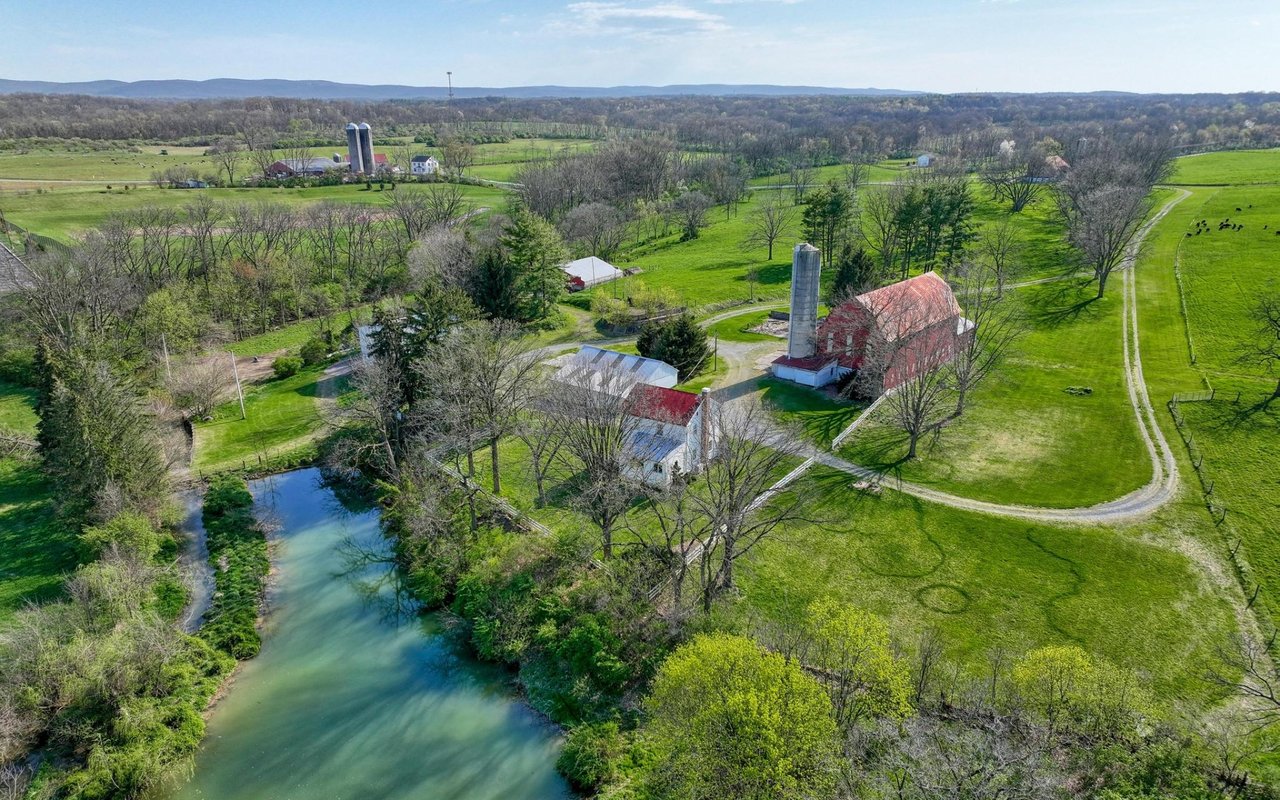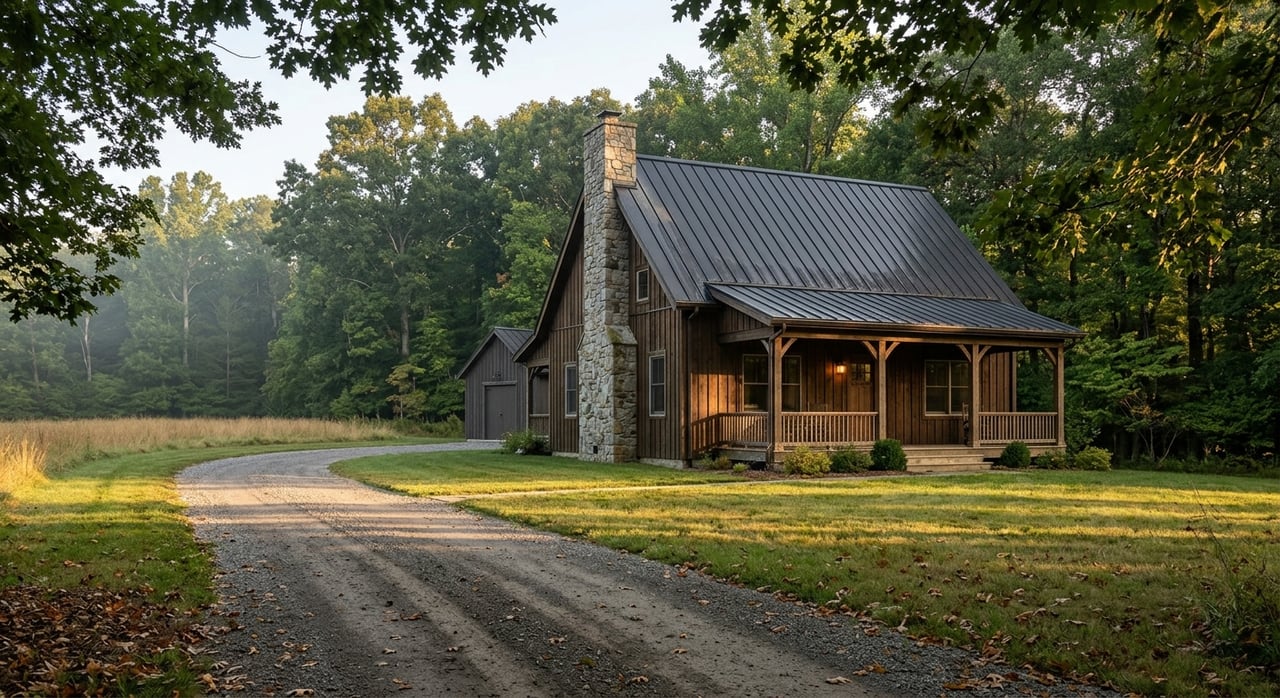
If you picture country living as equal parts peace, space, and practicality, rural Baltimore County is one of the few places where that mix still feels real. You may be looking for more privacy, room to spread out, or a property that supports horses, recreation, or a small farm lifestyle. In this guide, you’ll get a clear look at what day-to-day life actually feels like, what kinds of properties you’ll find, and what to verify before you buy. Let’s dive in.
Rural Baltimore County at a Glance
Rural Baltimore County is not an accident. Since 1967, Baltimore County has used its Urban-Rural Demarcation Line to direct growth into designated areas while preserving the rest for agriculture, natural resources, and low-density rural residential use.
That planning approach shapes how the countryside feels today. Much of the rural area includes agricultural preservation areas, resource preservation areas, rural residential areas, and two rural commercial centers: Hereford and Jacksonville.
For you as a buyer, that means the open space is part of a long-term land use strategy, not just a temporary gap between subdivisions. Baltimore County also reports more than 70,000 acres of protected farmland, waterfront, stream valleys, and natural lands, which helps preserve the area’s country character.
Where Country Living Shows Up
When people talk about rural living in Baltimore County, they are often referring to northern communities and surrounding countryside such as Hereford, Parkton, Monkton, Freeland, White Hall, Jacksonville, Kingsville, Chestnut Ridge, and Patapsco or Granite. These areas are commonly associated with acreage, lower-density housing, and a stronger connection to farmland and natural land.
County planning materials also note that parts of the rural section preserve Baltimore County’s equine heritage. That helps explain why horse-oriented properties and larger tracts feel like a natural fit in this market.
What Daily Life Feels Like
Country living here is outdoor-forward. If you enjoy woods, trails, water access, and open space, rural Baltimore County gives you those things in a very tangible way.
Gunpowder Falls State Park’s Hereford Area covers 3,620 acres and offers more than 20 miles of wooded trails, horseback riding, fishing, kayaking, tubing, and overnight lodging at Mill Pond Cottage. The Torrey C. Brown Rail Trail runs 19.7 miles through communities including Monkton, White Hall, Freeland, Phoenix, and Ashland, with access for hiking, biking, jogging, horseback riding, and leashed pets.
That outdoor access becomes part of everyday life. It is not just a weekend attraction. It is part of what makes the lifestyle feel different from a more built-up suburban setting.
Baltimore County also supports its farm identity through the 149-acre Center for Maryland Agriculture and Farm Park in Cockeysville. The county says it was intentionally designed to look and feel like a farm and to connect residents with food, land, and the natural environment.
Privacy Without Total Isolation
One of the biggest draws of rural Baltimore County is privacy. Low-density land use, preserved farmland, and natural-resource protections all help create a more spacious feel than you’ll find in many suburban neighborhoods.
In practical terms, acreage often feels genuinely private here. County preservation efforts and conservation tools help limit higher-intensity redevelopment in many rural sections, which can reduce the sense that new subdivisions are closing in around you.
At the same time, this is not the kind of country living that leaves you completely cut off. You can still reach service areas and everyday destinations, but you should expect that most errands will involve getting in the car.
How Convenient Is It Really?
Rural life in Baltimore County is workable for day-to-day needs, but convenience looks different here. Instead of having stores and services at the entrance to your neighborhood, you will usually rely on nearby service hubs.
Maryland DNR notes that grocery stores are available locally in Hereford and Hunt Valley. County information also shows that the Cockeysville Senior Center is accessible to public transportation, grocery stores, and medical facilities, which reinforces the idea that services are available within reach, just not always right next door.
For most households, the tradeoff is simple. You get more land, more privacy, and more natural surroundings, but you will likely drive more than you would in a denser suburban area.
Transportation in Rural Areas
Most rural households in Baltimore County are car-oriented, but there are backup options. Baltimore County offers CountyRide to seniors, people with disabilities, and rural residents of all ages.
MDOT MTA also provides regional bus, rail, MARC, and paratransit service. That does not make rural living transit-centered, but it does mean the area is not completely disconnected from broader transportation networks.
Property Types You’re Likely to Find
The rural property mix in Baltimore County is broad, which is one reason buyers are drawn to it. Depending on the specific area and zoning, you may come across:
- Working farms
- Hobby farms and farmettes
- Horse properties
- Wooded acreage
- Larger-lot country homes
- Buildable homesites
- Some rural-commercial parcels near service hubs
That range is supported by the county’s rural zoning structure. Zoning districts such as RC-2 Agriculture, RC-5 Rural Residential, RC-6 Rural Conservation and Residential, RC-7 Resource Preservation, and RCC Rural Commercial allow different combinations of single-family homes, farms, roadside stands, and limited rural business uses.
For you as a buyer, this means two properties that both look “country” on the surface may have very different use potential. A farmette, a horse property, a wooded homesite, and a larger rural home parcel can all live in the same broad market story while operating under different zoning rules.
Why Zoning Matters More in the Country
In a suburban neighborhood, it is often easier to assume nearby properties will stay relatively similar over time. In rural areas, zoning and preservation rules matter much more because they influence what can happen on the land itself.
That is especially important if you want room for animals, agricultural uses, future improvements, or a land-based lifestyle. It also matters if you are evaluating a property for long-term privacy, because zoning and preservation can affect how surrounding land is used.
This is one reason rural real estate benefits from land-specific guidance. You are not just buying a house. You are often buying a mix of home, land, use rights, and maintenance responsibilities.
What to Verify Before You Buy
If you are considering a rural property in Baltimore County, due diligence should start early. The lifestyle can be rewarding, but it comes with a different checklist than a typical suburban purchase.
Check for Easements and Preservation Limits
Baltimore County encourages conservation easements that protect rural or scenic character, family or historical heritage, wildlife value, and natural resources. These easements can limit more intensive commercial, industrial, or high-density residential development.
That can be a major plus if you value surrounding open space. At the same time, you will want to understand how any easement affects the property you are buying and what responsibilities may come with it.
The county also identifies state-approved Rural Legacy areas including Coastal, Gunpowder, Long Green, Manor, and Piney Run. In these areas, preservation is part of the broader landscape story.
Review Well and Septic Early
Water and septic are two of the biggest practical items to verify on a rural property. Baltimore County’s Ground Water Management section oversees private wells and on-site sewage disposal systems.
County guidance notes that many permits require site plans, setback review, and septic reserve area review. The county also says about 30,000 properties are served by private septic systems, and regular septic pumping is typically needed every three to five years.
If you are moving from a public water and sewer setup, this is an important mindset shift. Systems on rural property often need more hands-on understanding and regular maintenance.
Think Through Ongoing Land Maintenance
Country living usually means more than maintaining the home itself. You may also be managing gravel driveways, wooded acreage, open fields, drainage, fencing, or land subject to easement requirements.
That does not make rural ownership harder for everyone, but it does make it more active. The right property for you depends on how much land care you want to take on and what kind of lifestyle you are trying to build.
Is Rural Baltimore County a Good Fit?
For many buyers, the answer comes down to tradeoffs. Rural Baltimore County offers privacy, views, preserved open space, and strong access to recreation without complete isolation.
The flip side is that daily life usually involves more driving, more land care, and more due diligence around wells, septic, zoning, and easements. If that balance sounds right to you, the area can offer a version of country living that still feels connected to everyday needs.
For buyers looking at rural homes, farms, acreage, or horse-friendly property in northern Maryland, having a guide who understands land is just as important as finding the right house. If you want help evaluating rural property in Baltimore County, connect with Dustin Prievo for practical, land-focused guidance.
FAQs
What does rural living in Baltimore County feel like day to day?
- Rural living in Baltimore County is shaped by privacy, open space, outdoor recreation, and a more car-oriented routine, with errands usually handled through nearby service hubs like Hereford and Hunt Valley.
What kinds of rural properties are common in Baltimore County?
- Buyers commonly see farms, farmettes, horse properties, wooded acreage, larger-lot country homes, buildable homesites, and some limited rural-commercial parcels depending on zoning.
Are rural areas in Baltimore County isolated from services?
- No. Most rural properties are drive-to living, but grocery stores, medical services, transportation options, and regional access points are still available within reach.
Why should buyers check zoning on rural Baltimore County property?
- Zoning matters because it affects what uses are allowed on the property and can also influence how surrounding land may be preserved or developed over time.
Do rural homes in Baltimore County often have wells and septic systems?
- Yes. Many rural properties rely on private wells and on-site sewage disposal systems, so buyers should review those items early in the process.
How much protected land is in rural Baltimore County?
- Baltimore County reports more than 70,000 acres of protected farmland, waterfront, stream valleys, and natural lands, which helps support the area’s long-term rural character.