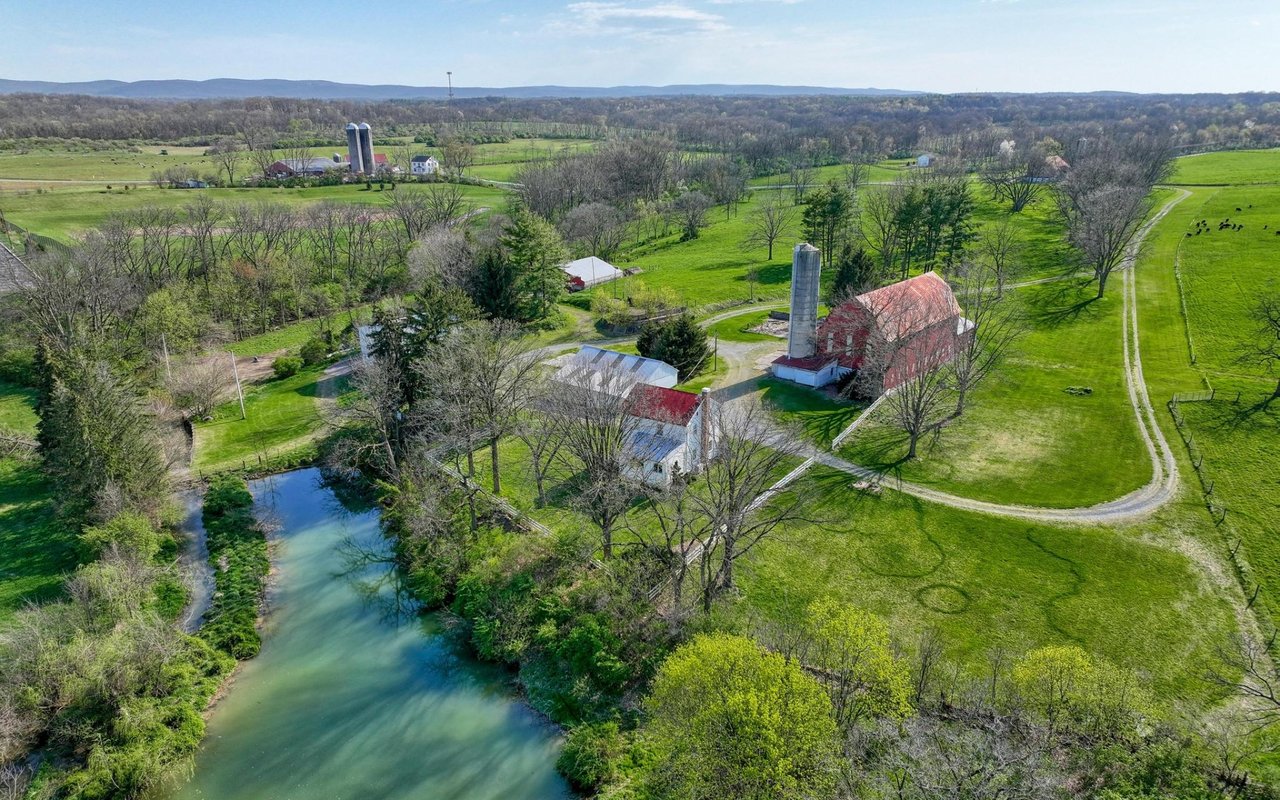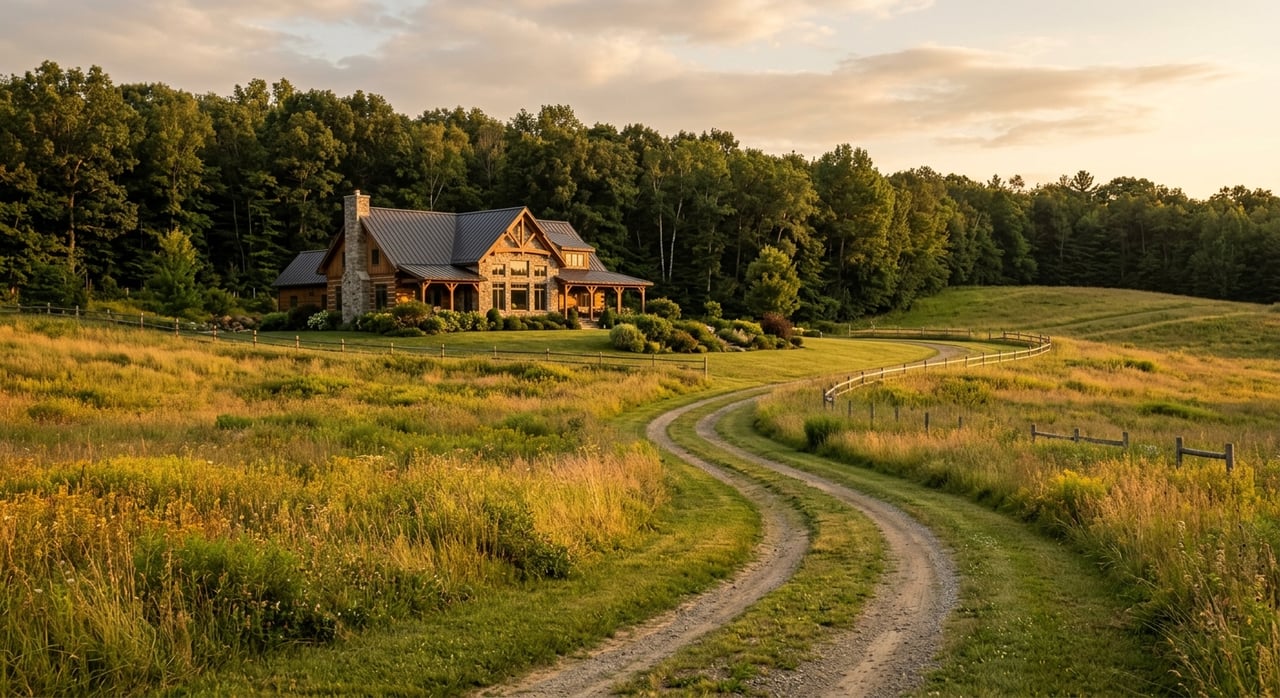
Wondering why one 40-acre tract in Baltimore County sells quickly while another sits with little traction? Large acreage is rarely just "land," and treating it that way can cost you time and money. If you want to sell the right way, you need to understand how zoning, access, buildability, preservation factors, and buyer fit shape value. Let’s dive in.
Why large acreage needs a different strategy
Selling a large tract in Baltimore County is not the same as selling a typical house lot. Rural acreage often carries a mix of possibilities, limits, and hidden value drivers that do not show up in a standard suburban listing approach.
In Baltimore County, that starts with the county’s rural and urban planning framework. The Urban Rural Demarcation Line has shaped zoning and infrastructure decisions since 1967, which means where your land sits can directly affect how buyers view its future use.
Know what your zoning really allows
One of the biggest mistakes sellers make is assuming acreage speaks for itself. In reality, buyers want to know what they can legally and practically do with the property.
Baltimore County uses several rural zoning districts for larger tracts, including RC-2 agricultural protection, RC-5 rural residential, RC-6 rural conservation and residential, and RCC rural commercial. Permitted uses vary by district and can include farms, single-family dwellings, and in some areas limited rural commercial uses.
Zoning affects buyer interest
A farmer, a rural homesite buyer, and a buyer looking for limited commercial use may all see the same tract differently. If your property is marketed too broadly or too vaguely, you risk missing the most qualified audience.
That is why the first step is not just acreage count. It is matching the property’s zoning and practical use case to the right buyer pool.
Rezoning should not drive your price
It can be tempting to price land based on what it "could be someday." In Baltimore County, that approach is risky because the County Council has the sole legislative authority to change zoning classifications.
If your asking price depends on a future rezoning, buyers will usually treat that as speculation. A stronger pricing strategy focuses on what the property supports today, not what might happen later.
Understand what really drives value
Large acreage should not be priced as generic raw land without deeper review. In Baltimore County, value can depend on zoning, subdivision potential, access, existing improvements, soils, utility feasibility, and any easements or preservation restrictions tied to the tract.
This matters because two properties with similar acreage can have very different market appeal. One may work well as a farm, another as a private homesite, another as a recreational tract, and another as a preservation-oriented property.
Subdivision potential is only one piece
Some sellers assume buyers will pay a premium for future lot splits. But county guidance notes that rural clustering standards apply to tracts over 10 acres unless an alternative non-clustering path is used.
That means subdivision questions need careful review before they become part of the marketing story. If you present unclear or overstated development potential, you can lose credibility with serious buyers.
Assessed value and market value are not the same
Maryland’s agricultural use assessment adds another layer that can confuse sellers. Land actively devoted to agricultural use is assessed according to that use, and woodland can also qualify in certain cases when tied to a farm or approved forest plan.
Because of that, your assessed value may not reflect what the open market will pay. A disciplined pricing strategy looks beyond the tax record and evaluates the tract based on its actual marketable features and limitations.
Check preservation and easement factors early
Baltimore County has an active land preservation landscape. The county reports five Rural Legacy areas, and county preservation reporting said 71,382 acres were preserved countywide as of July 2024.
That context matters because some large-acreage properties compete best as working farms, conservation candidates, recreational tracts, or estate-style holdings rather than as subdivision land. The better you understand that positioning, the stronger your listing strategy will be.
Agricultural easements can shape value
If your property involves an agricultural easement opportunity, the county’s 2024 formula bases easement price on average fair market value multiplied by formula points. The formula also considers factors like size, soils capability, subdivision rights, and the percentage of the farm in production or woodland.
The county’s application also says the property must be in an Agricultural Priority Preservation Area and generally be at least 50 acres, or 20 acres if contiguous to an existing easement. These are not small details. They can directly affect how your land is evaluated and marketed.
Restrictions need to be identified clearly
The county treats an agricultural easement as a deed restriction in perpetuity. The application process also requires the acreage to agree with the deed and SDAT assessment, and certain properties may need a Soil Conservation and Water Quality Plan or a Forest Stewardship Plan.
For sellers, the takeaway is simple. If restrictions or preservation factors exist, they should be identified before the listing goes live, not discovered halfway through negotiations.
Reconcile the property records before listing
Before you market a large tract, the paper trail and map trail should match. That includes the deed, SDAT record, and county GIS information.
This step sounds basic, but it is one of the most important parts of getting ahead of buyer questions. If acreage totals, parcel lines, plats, or record details are inconsistent, buyers may hesitate or delay.
Access should be confirmed upfront
Access issues can derail a land sale fast. Baltimore County guidance says deeds, plats, or plans that reference subdivision, merging, or dividing parcels may not be recorded without county approval, and transfers that reference plan titles and lot numbers only are not permitted.
The county’s record-plat checklist also contemplates easements and reservations tied to access, utilities, floodplain areas, forest buffers, and forest conservation. In practical terms, sellers should know exactly how the property is accessed and what recorded matters affect it.
Usable acreage may differ from deed acreage
A 50-acre tract does not always function like 50 usable acres. If woods, preserved areas, or other constraints affect the property, the usable footprint may be smaller than the deed suggests.
That is why county GIS and preservation mapping matter. A strong listing package should show not just total acreage, but also what parts of the land are most practical for the uses buyers care about.
Confirm buildability before calling it a homesite
If you plan to market acreage as a buildable homesite or estate parcel, confirm the basics first. Septic and well feasibility should be checked before pricing and promotion lean on buildability.
Maryland requires a well construction permit before a well is drilled. State rules also prohibit construction of a structure to be served by private well and septic until the necessary septic and well permits, or a system certification, are in place.
Water and sewer availability matters
Baltimore County also maintains an annually updated Basic Services Map for water and sewer. That means utility assumptions should be verified with the correct local information rather than guessed based on nearby properties.
For buyers, buildability is a major value driver. For sellers, clear answers on septic, well, and service availability can help support pricing and reduce uncertainty.
Build a listing package that fits rural buyers
A large-acreage listing needs more than a handful of photos and a tax record summary. Rural buyers usually need a map-driven picture of the property before they decide whether to make the trip, request documents, or write an offer.
Baltimore County’s GIS framework centers on parcels, plats, subdivisions, and easements. A strong listing package should mirror that reality with parcel outlines, aerial views, access points, improvement notes, and clear explanations of what is and is not included.
Good marketing translates the land
With large acreage, maps often do more work than glamour shots. Buyers want to understand boundaries, terrain, road frontage, internal access, field layout, wooded sections, and any obvious limitations.
That is where land-specific marketing matters. Clear visuals, thoughtful positioning, and accurate property notes help serious buyers understand the opportunity faster.
Improvements should be described accurately
If the tract includes buildings or site improvements, they should be categorized carefully. In county rural zones, permitted uses can include farm structures, single-family dwellings, tenant houses, roadside stands, churches, and in some districts limited rural commercial uses such as farm markets, garden centers, restaurants, and bed-and-breakfasts.
That does not mean every existing improvement adds equal value. The key is to distinguish conforming improvements, ancillary structures, and features that help define the property’s practical use.
Match the sale to the right buyer pool
One of the smartest ways to sell acreage the right way is to stop thinking in broad residential terms. Large rural tracts in Baltimore County may appeal to very different buyers depending on their zoning, restrictions, access, and improvements.
Likely buyer pools can include farmers, rural homesite buyers, recreational users, conservation or easement buyers, and in some cases limited rural-commercial users. When the marketing message is tailored to the most likely fit, you are more likely to attract qualified interest instead of casual clicks.
Why specialized representation matters
Large-acreage sales usually reward preparation. The seller who understands zoning, confirms records, checks access, addresses buildability, and presents the tract clearly is in a much stronger position than the seller who simply lists acreage and hopes the market figures it out.
That is especially true in a county where zoning is district-specific, preservation tools are active, and value can come from more than one use case. The right process helps you protect value and avoid preventable surprises.
If you are thinking about selling large acreage in Baltimore County, working with a team that understands land, maps, marketing, and buyer behavior can make a real difference. To talk through your property and build a smart sale strategy, connect with The Dustin Prievo Team at Whitetail Properties Real Estate.
FAQs
What makes selling large acreage in Baltimore County different from selling a house lot?
- Large acreage often depends on zoning, access, buildability, preservation factors, and buyer fit, so pricing and marketing usually require more research and a more specialized strategy.
How does zoning affect a large-acreage sale in Baltimore County?
- Baltimore County rural zoning districts such as RC-2, RC-5, RC-6, and RCC allow different uses, which can shape buyer interest, practical use, and overall market value.
Should a Baltimore County land seller price property based on future rezoning?
- Usually, that should be treated as speculative because the Baltimore County Council has the sole legislative authority to change zoning classifications.
Why should a seller check deeds, SDAT records, and county GIS before listing acreage?
- Matching those records early can help uncover acreage discrepancies, access questions, plat issues, and other details that buyers are likely to review during due diligence.
Can agricultural use assessment affect how Baltimore County acreage is valued?
- Yes. Maryland agricultural use assessment can mean the assessed value does not line up with market value, especially when the property is actively used for agriculture or includes qualifying woodland.
Why is septic and well research important when selling a Baltimore County homesite?
- If acreage is being marketed as buildable, sellers should verify septic and well feasibility because state rules require the appropriate permits or system certification before construction served by private well and septic can move forward.