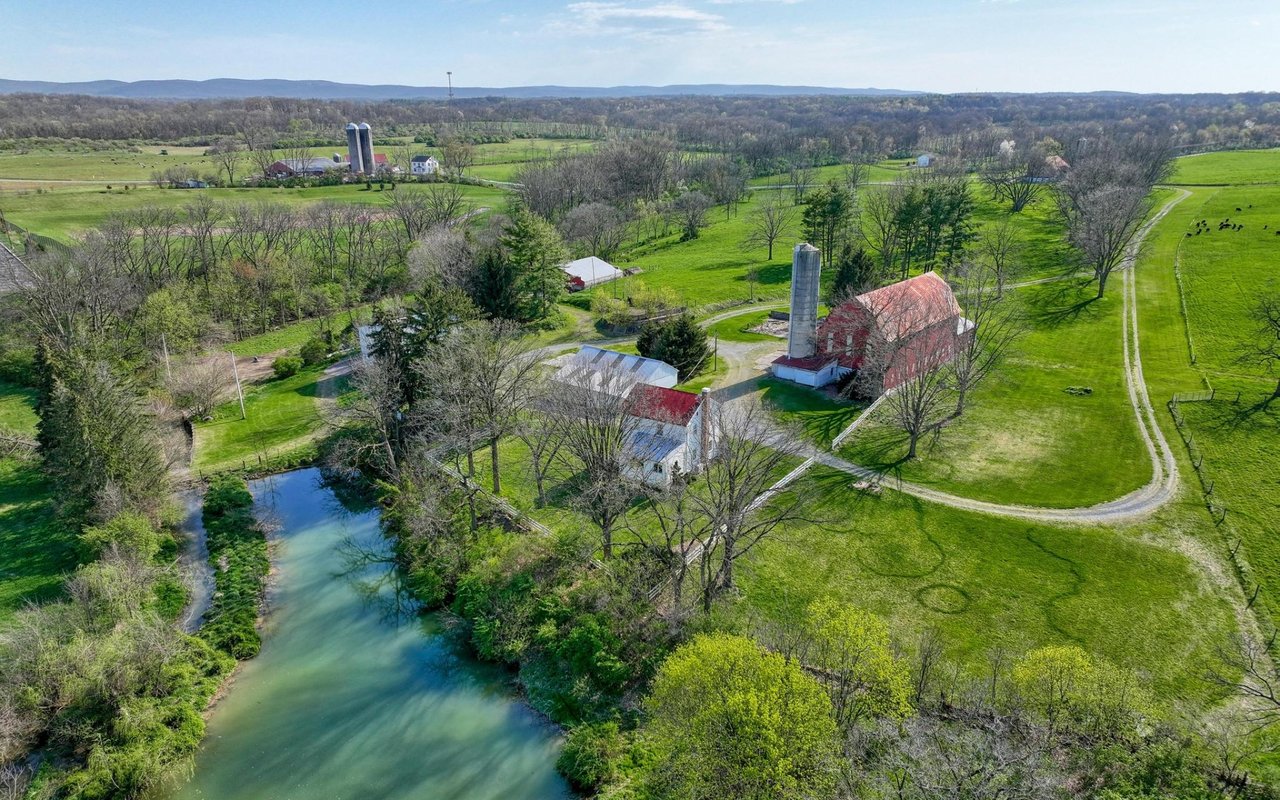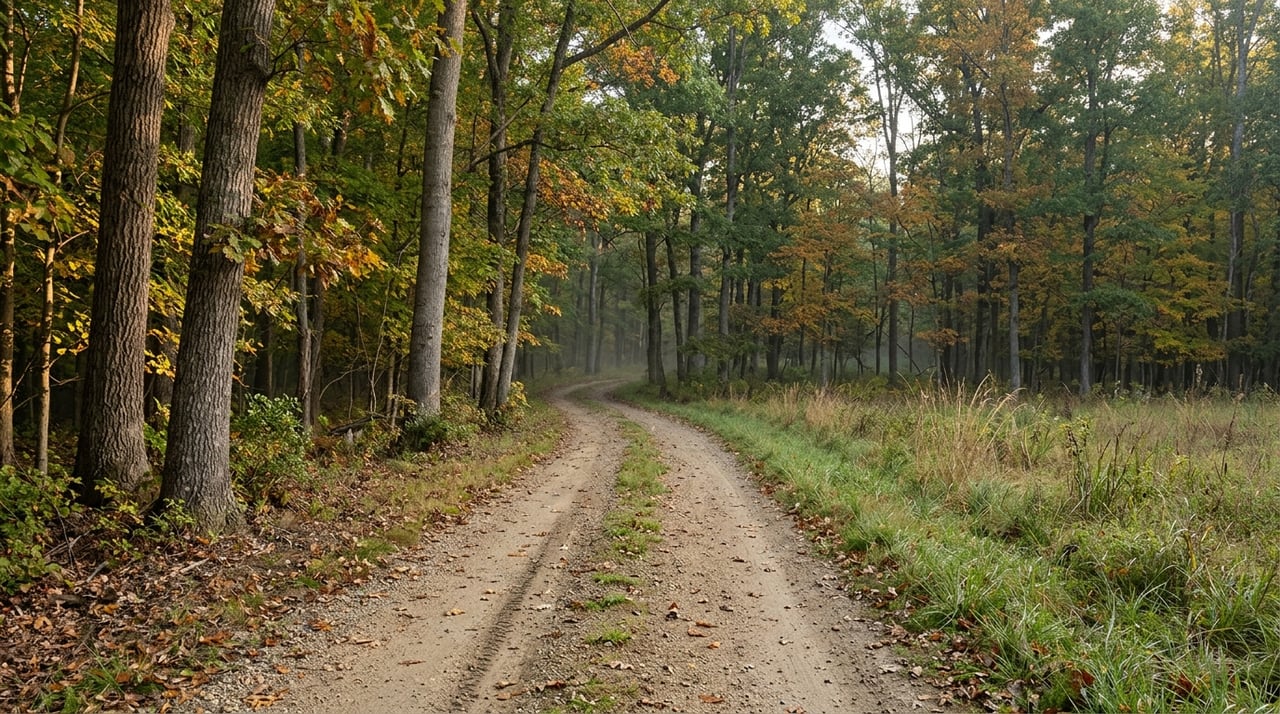
If you are looking at hunting land in Harford County, the biggest mistake is judging a property by acreage alone. A tract can look great on a listing sheet and still hunt poorly if the surrounding landscape, access, habitat, or regulations work against you. This guide will show you how to evaluate hunting land in Harford County step by step so you can spot real value, ask better questions, and make a more confident decision. Let’s dive in.
Start With the Surrounding Landscape
In Harford County, a hunting property does not operate in a vacuum. The land around the parcel often matters just as much as the parcel itself, especially for deer movement and long-term habitat quality.
County and Maryland DNR information shows Harford County still has large rural and preserved blocks. Harford County reports more than 64,000 acres preserved, while the Deer Creek Valley Rural Legacy Area is nearly 67,000 acres and the Manor Conservancy Rural Legacy Area is more than 28,000 acres. That matters because a tract connected to larger agricultural and forested ground often offers more consistent habitat than an isolated parcel.
The Deer Creek watershed adds more useful context. It is about 54% agricultural, 30% forest, and only 4.3% impervious, which points to a landscape that still supports rural land use patterns and wildlife movement. For a buyer, that means you should zoom out before you zoom in.
Maryland DNR notes that white-tailed deer do best where woods and open land meet. DNR also says the average annual home range is about one square mile, so the best hunting parcel is often one piece of a larger connected area instead of a stand-alone block with no meaningful neighboring cover.
Why AG Zoning and Preservation Matter
Harford County’s AG zoning is intended to maintain rural character and agricultural uses. That can be a positive for hunting buyers because it may help protect the surrounding landscape from more intense change over time.
At the same time, preserved land and easements can come with important use restrictions. Harford County notes that preservation easements can permanently extinguish subdivision potential except for limited reserved rights. If you are buying for hunting, recreation, a cabin site, or long-term family use, you need to understand exactly what the deed, zoning, and easement language allow before closing.
Use Public Mapping Tools First
Before you walk a property, start with maps. Harford County’s WebGIS Data Viewer and Open GIS portal are strong first steps because they can help you study parcel boundaries, topography, aerial imagery, land use, and environmental layers.
This early map work can save you time and money. It helps you compare deeded acreage to usable acreage, spot narrow access points, and identify terrain changes that may affect both hunting and future use.
Map Layers Worth Checking
When you review a Harford County hunting parcel, focus on these layers first:
- Parcel boundaries
- Aerial imagery
- Topography
- Zoning
- Land use
- Environmental features
- Floodplain information
Floodplain review is especially important. Harford County ties local parcel information to FEMA’s flood hazard data and notes that land in the 100-year floodplain faces major development restrictions.
Environmental planning layers matter too. The county regulates streams and buffers, floodplains, steep slopes, nontidal wetlands and buffers, forests, and Critical Area habitats. In plain terms, some of the best bedding cover or travel corridors on a property may also be the most limited when it comes to disturbance, building, or land improvement.
Don’t Skip Soil Review
USDA NRCS Web Soil Survey is a useful tool when comparing hunting tracts. It can help you understand whether a property has dry ridges, lower wet ground, and areas that may be more suitable for trails, habitat work, or food plot planning.
Soils also matter because Harford County’s preservation program references agricultural or forest production and minimum soil productivity standards. Even if your main goal is recreation, soil and site conditions still shape how the land functions.
Evaluate Habitat, Not Just Acreage
Large acreage sounds impressive, but habitat quality is what usually separates an average tract from a strong one. In Harford County, you should look for the right mix of cover, food, edge, and movement corridors.
Maryland DNR says deer use wooded areas for food and cover and open areas for food. DNR also points to forest-to-field edge as strong deer habitat, which means a balanced property often outperforms a simple block of uninterrupted timber.
Habitat Features to Look For
As you walk the land, pay attention to features that support daily deer use, including:
- Woods meeting fields or openings
- Mast-producing timber such as oak stands
- Browse-heavy regeneration
- Thick transition cover
- Water sources and creek corridors
- Natural funnels and travel routes
DNR lists acorns, honeysuckle, greenbriar, young tree seedlings, and mushrooms among deer foods. That is a good reminder that the best properties are not always the prettiest on first glance. Young growth, edge cover, and browse often matter more than a clean, open woods.
Creek Bottoms Can Add Opportunity and Limits
Water and drainage features can improve habitat value, especially where Deer Creek or similar drainages cross a property. DNR describes Deer Creek as a scenic river moving through forested and agricultural land, and the broader watershed still holds a strong rural character.
But creek-bottom acreage can also bring limits. DNR notes the watershed contains rare, threatened, and endangered species as well as sensitive terrestrial habitats. That means lowland cover and riparian habitat may be excellent for wildlife while also carrying conservation-related constraints.
Consider Nearby Public Hunting Pressure
Private land does not exist in isolation, and public hunting areas can affect movement patterns and hunting pressure. In Harford County, public hunting options are limited and managed, which makes nearby private tracts worth studying carefully.
Rocks State Park’s Deer Creek Area includes about 120 acres of archery-only hunting. Susquehanna State Park has hunt areas totaling roughly 650 acres, also archery-only. If a property borders or sits near these areas, deer movement and pressure may be shaped by those public-use patterns.
That does not automatically make a tract better or worse. It simply means you should factor neighboring hunting activity into your evaluation instead of only judging what happens within the property lines.
Check Access Before You Make an Offer
Access can make or break a hunting property. A parcel may have strong habitat, but if entry is awkward, boundaries are unclear, or you need to cross neighboring land, the property may be much less useful than it appears.
For Harford County buyers, deeded access and boundary clarity matter even more because Maryland’s current Sunday deer hunting calendar shows Sunday deer hunting is private-land only. If weekend hunting is important to you, legal private access is not just a convenience. It is central to the property’s practical value.
Access Questions to Answer
Before you move forward, confirm:
- Is access deeded and recorded?
- Are boundary lines clear on the ground?
- Can you enter and exit without crossing neighboring land?
- Are there multiple entry options for different wind conditions?
- Are there hazards such as wells, pits, cliffs, or unstable creek crossings?
Maryland DNR also makes an important distinction: a hunting license does not equal permission to hunt private land. DNR says landowners should issue written permission and recommends a signed Permission to Hunt card for each hunter using private property.
Review Hunting Rules That Affect Value
A tract may fit your budget and your hunting goals, but current rules still shape how you can use it. That is why regulation review should be part of your buying process, not an afterthought.
Maryland DNR states that hunting licenses are valid from the date issued through the next July 31. Hunter education is required for most new hunters, and crossbows may be used during the entire deer bow season in all counties without a separate crossbow permit.
DNR also states that deer baiting is legal on private land but not on state-owned or state-controlled property. If your property sits next to public land, that difference may matter when you are thinking through hunting strategy and use patterns.
CWD Rules Should Be on Your Checklist
Before closing, review Maryland’s chronic wasting disease guidance. DNR maintains county-specific CWD maps along with transport rules for deer, elk, and moose carcasses and parts.
If you plan to move harvested deer to another property or processor, those rules are part of real-world ownership. It is smart to understand them up front rather than after you buy.
Follow a Practical Evaluation Sequence
The easiest way to stay organized is to evaluate Harford County hunting land in a simple sequence. Start broad, narrow your focus, then verify the details in person.
A practical process looks like this:
- Review parcel boundaries, aerials, topography, zoning, and floodplain layers.
- Check environmental features such as streams, buffers, wetlands, forests, and steep slopes.
- Overlay soil information using NRCS tools.
- Walk the property to confirm edge habitat, access routes, wet areas, and usable acreage.
- Verify Maryland DNR rules, Sunday hunting guidance, nearby public hunting rules, and CWD guidance.
This approach helps you avoid overpaying for land that looks strong on a map but falls short in the field. It also helps you separate total acreage from functional acreage, which is one of the most important differences in rural land buying.
Why Local Land Expertise Matters
Evaluating hunting land is different from evaluating a typical house. You are weighing habitat, access, neighboring land use, map layers, regulations, and long-term property utility all at once.
That is where a land-focused team can make a real difference. When you work with professionals who understand rural property, deer habitat, and how to read a tract beyond the listing photos, you are in a better position to spot strengths, identify red flags, and make a decision that fits your goals.
If you are considering hunting land in Harford County or anywhere in northern Maryland, The Dustin Prievo Team at Whitetail Properties Real Estate can help you evaluate the property with a practical, land-first perspective.
FAQs
How should you evaluate hunting land in Harford County before touring it?
- Start with Harford County parcel maps, aerials, topography, zoning, floodplain data, environmental layers, and NRCS soil information so you can identify access, habitat, and land-use constraints before a site visit.
Why does the surrounding landscape matter for hunting land in Harford County?
- Maryland DNR notes that deer do best where woods and open land meet, and their average annual home range is about one square mile, so nearby forest, fields, preserved land, and agricultural ground can strongly affect how a tract hunts.
What habitat features matter most on Harford County hunting land?
- Look for forest-to-field edge, mast-producing timber, browse-heavy young growth, water sources, travel corridors, and a mix of cover and food rather than judging the property by acreage alone.
What zoning and preservation issues should buyers check on Harford County land?
- Buyers should confirm AG zoning details and any preservation easements because these can help protect rural character while also limiting subdivision or certain future uses.
Why is access so important when buying hunting land in Harford County?
- Access affects whether you can legally and practically use the property, and it matters even more because Sunday deer hunting in Harford County is private-land only under the current Maryland DNR calendar.
What Maryland hunting rules should buyers review before purchasing land in Harford County?
- Buyers should review private land permission rules, current license requirements, hunter education requirements, crossbow rules, baiting rules, Sunday hunting guidance, nearby public land rules, and CWD transport guidance before closing.