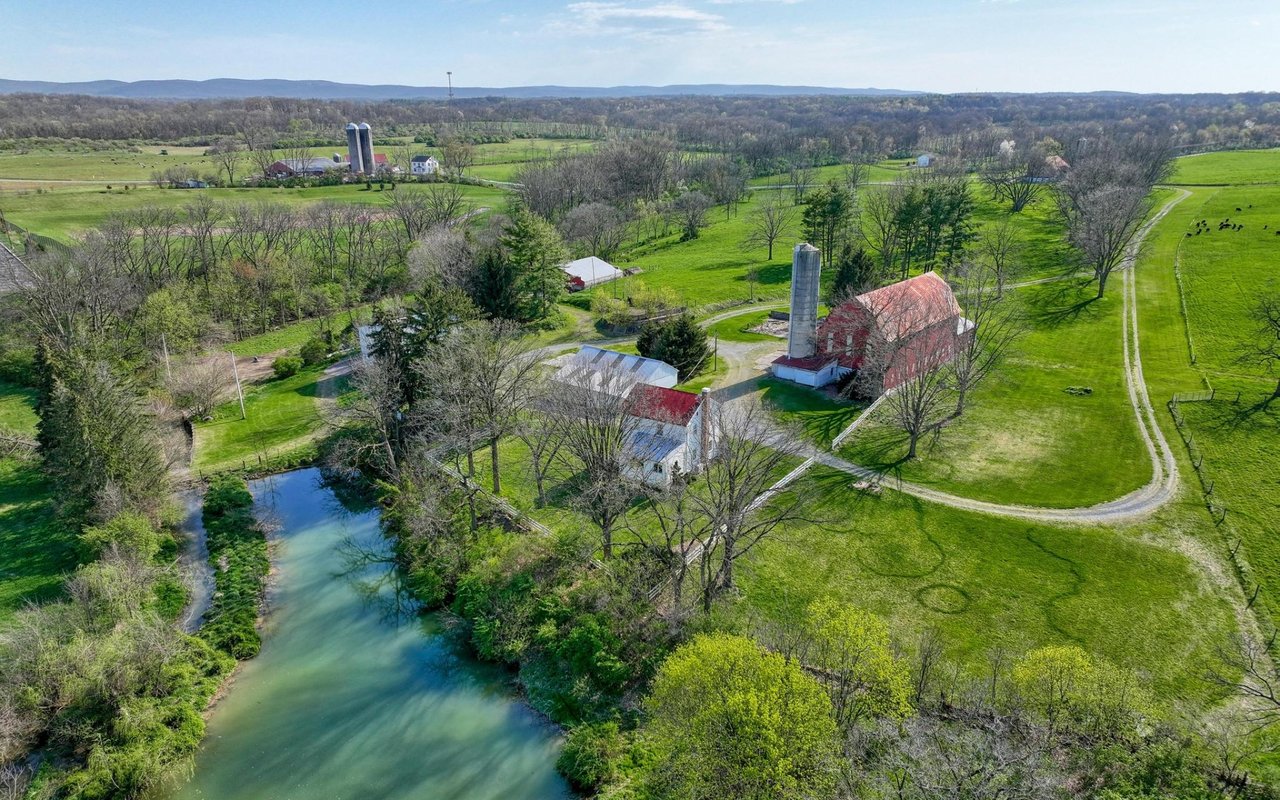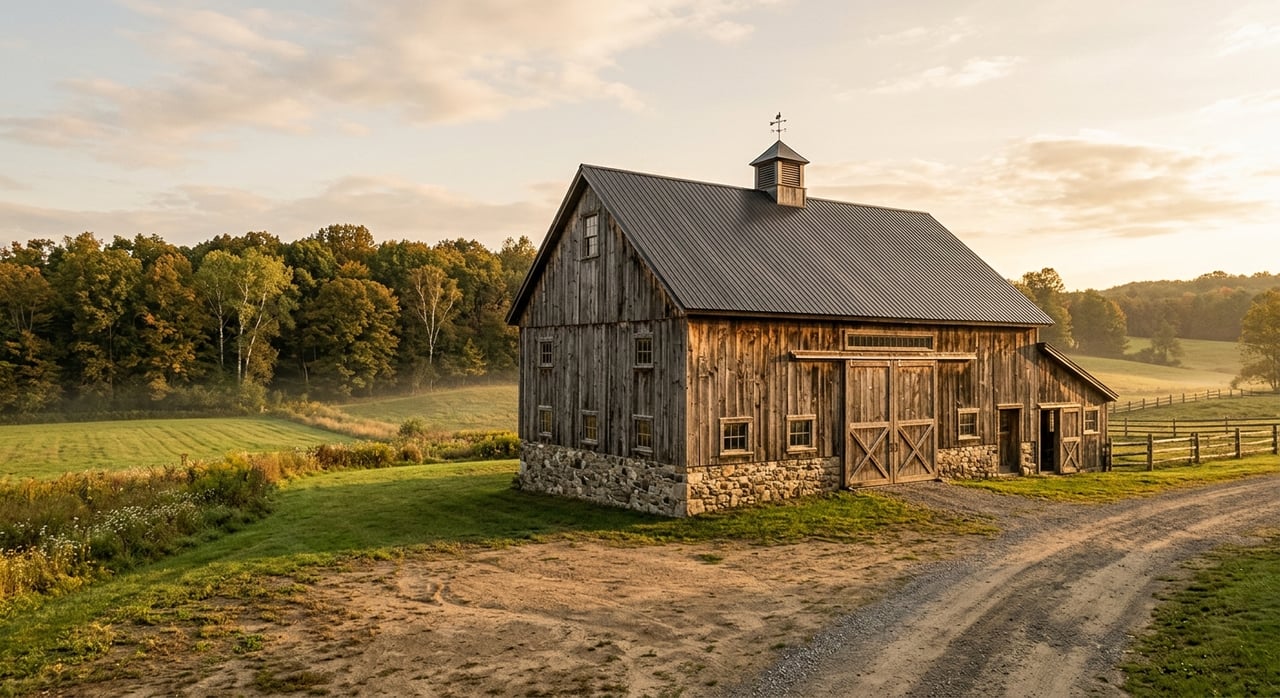
Looking for a farm or country home in Lancaster County can feel exciting and overwhelming at the same time. You may be picturing open fields, a quiet home site, or a property with long-term legacy value, but rural real estate here comes with details that matter. If you understand how Lancaster County properties differ from standard residential listings, you can make a much more confident decision. Let’s dive in.
Start With Your End Goal
Before you compare acreage, barns, or views, get clear on what you want the property to be. In Lancaster County, that answer shapes nearly every part of your search, from zoning questions to inspections and future use.
A working farm should be viewed differently than a country home on a few acres. If you want production value or investment potential, soils, leases, access, and preservation status should move to the top of your list. If you want a lifestyle property, you may care more about the home, well, septic, flood exposure, and the condition of improvements.
Know Lancaster County Is Highly Local
Lancaster County is deeply shaped by agriculture, and that affects how rural property works. The county has preserved 90,867 acres across 1,109 family farms as of December 31, 2025, and Lancaster County Planning reports more than 550 zoning districts across 60 municipalities.
That means one property can operate very differently from another, even if they look similar online. Township-level rules matter, and effective agricultural zoning is common in many municipalities. A property’s future options may depend heavily on where it sits and how it is classified.
Understand What Type of Property You Are Buying
Working Farm or Investment Tract
If you are buying farmland as a productive asset, start with the land itself. Penn State describes soil as the lifeblood of production agriculture, and NRCS says the Web Soil Survey provides current soil information for land-use and management decisions.
Soil maps can help you understand whether a tract supports your goals and how the land may be viewed from a long-term agricultural standpoint. Penn State’s Farmland Assessment Checklist is also designed to help buyers identify issues that could become deal-breakers before closing.
If the property is currently farmed by someone else, ask for all lease documents early. Agricultural leases can affect possession, access, fixtures, and crop rights, so you need a clear picture of what rights transfer with the sale.
Country Home on Acreage
If you are looking for a country home, your checklist will likely look different. The beauty of open space is important, but so are practical items like private well details, septic condition, radon testing, flood risk, and the usability of driveways, outbuildings, and access routes.
Pennsylvania DEP says private wells are not regulated by the state, which makes buyer due diligence especially important. Penn State also recommends septic inspection contingency language during real estate transactions, since problems found after closing can be costly and difficult to fix.
Check Preservation Status Early
In Lancaster County, preservation status is not a small detail. It can shape what you can and cannot do with the property long after closing.
The county’s farmland preservation program is voluntary for landowners, but once a farm is preserved, it may only be used for farming, with limited subdivision and non-farm construction. That is very different from ordinary acreage.
Agricultural Security Areas, or ASAs, are separate from preserved farms. An ASA can include non-adjacent parcels of at least 10 acres, or land capable of producing $2,000 annually, and it can provide certain protections related to nuisance and condemnation issues.
If you think you may want a second dwelling, additional construction, subdivision, or some other future change, verify the property’s status before you make assumptions. Preservation, ASA enrollment, and recorded restrictions should all be reviewed alongside township zoning.
Focus on Soils and Field History
For farmland buyers, soils are one of the first things to study. They help you understand production potential and can influence how land is evaluated for agricultural use.
Penn State notes that soils are commonly used in agricultural land appraisal because the information is readily available and useful. Lancaster County’s preservation program also places strong value on productive soils, which shows how central land quality is in this market.
Field history matters too. If the seller or tenant can provide helpful records or context on how the land has been used, that can add valuable perspective as you compare one tract to another.
Review Leases and Existing Income
A leased farm or acreage tract may offer income, but it also may limit your control in the short term. That is why you should review every lease and understand exactly what it covers.
Penn State explains that agricultural real estate leases can affect possession, access, fixtures, and crop rights. You should also confirm whether the lease is cash, flex, or crop-share, and what rights each party holds during the lease term.
This step is especially important if you plan to use the property yourself soon after purchase. A lease can change your timing and your options, even if the land looks ready for immediate use.
Verify Access, Easements, and Utilities
Rural access can be more complicated than it first appears. A long lane, shared drive, bridge, or informal route across neighboring land may create issues if legal access is not clearly established.
Penn State advises buyers to confirm clear right of access and determine whether neighbors use easements across the property. It also recommends looking at roads, bridges, telecommunications, and internet service.
Lancaster County’s GIS Quick Links include public tools for property search, assessment, and Recorder of Deeds records. Those records can help you understand parcel history and identify documents that may affect the property.
Treat Outbuildings as Real Assets
Barns, sheds, fencing, equipment pads, and similar improvements are more than attractive features in listing photos. They should be evaluated based on condition, usefulness, and how they fit your intended use.
For some buyers, a barn supports farm operations. For others, it may be storage, hobby space, or a future repair item. The same goes for lanes, gates, and utility setups across the property.
The Penn State farmland checklist is useful here because it helps buyers work through practical details before they commit. On a rural property, small oversights can turn into big costs.
Pay Close Attention to Water, Septic, Radon, and Flood Risk
These are some of the most important issues on any country property purchase. They are also some of the easiest to underestimate when you are focused on acreage and setting.
Because Pennsylvania does not regulate private wells at the state level, buyers should gather as much information as possible about well condition and water supply. Septic also deserves careful review, and Penn State specifically recommends a septic inspection contingency during a real estate transaction.
Radon should not be skipped. EPA says all homes should be tested, and Pennsylvania DEP says the state has one of the most serious radon problems in the country.
For flood exposure, Lancaster County offers a Flood Risk Dashboard with parcel search tools, stream gauge information, rainfall forecasts, and historic flood data. That can be especially useful if the property includes low ground, stream frontage, or drainage areas.
Ask About Clean and Green Enrollment
Taxes are a major part of long-term ownership planning. In Pennsylvania, Clean and Green can affect how land is assessed for property tax purposes.
The state says Clean and Green bases property taxes on use value rather than fair market value. Lancaster County also notes that changes such as subdivision, lot add-ons, transfers, combinations, or land-use changes require revision to the original application.
That makes tax status worth discussing early, especially if you may want to change the property later. A tract that works well for your goals today may carry added considerations if your plans shift over time.
A Simple Buyer Checklist for Lancaster County
Before you make an offer, try to answer these questions clearly:
- What do you want the property to be in five to ten years?
- What zoning district applies in that municipality?
- Is the property preserved, in an ASA, or subject to other recorded restrictions?
- Does it have legal access and any shared or neighbor easements?
- Are there active leases, crop rights, or possession issues?
- What do the soils and field history suggest about the land?
- What is the condition of the well, septic, home, and outbuildings?
- Has radon testing been done?
- What does the flood risk picture look like?
- Is the land enrolled in Clean and Green?
Why Local Rural Knowledge Matters
Buying a farm or country home in Lancaster County is rarely as simple as comparing square footage and price per acre. The right property for you depends on how land use, inspections, records, and future plans all fit together.
That is why rural buyers benefit from guidance that goes beyond standard home search advice. When you understand the land itself, the local rules, and the practical risks, you can move forward with a lot more clarity.
If you are searching for farmland, rural acreage, or a country home in Lancaster County, the right guidance can help you sort through the details and focus on the properties that truly fit your goals. Connect with The Dustin Prievo Team at Whitetail Properties Real Estate to explore rural properties with a team that understands land, lifestyle, and the due diligence that matters.
FAQs
What makes Lancaster County rural property different from a standard home purchase?
- Lancaster County rural properties often involve township-specific zoning, preservation status, agricultural considerations, private well and septic systems, recorded easements, and land-use restrictions that may not come up in a typical residential purchase.
What should you check before buying a farm in Lancaster County?
- You should review soils, field history, leases, legal access, easements, zoning, preservation status, outbuildings, water systems, septic condition, flood risk, and tax enrollment such as Clean and Green.
What does preserved farmland mean in Lancaster County?
- According to Lancaster County, preserved farmland may only be used for farming, with limited subdivision and non-farm construction, so buyers should confirm preservation status before assuming future flexibility.
Why is zoning so important for Lancaster County country property?
- Lancaster County has more than 550 zoning districts across 60 municipalities, which means permitted uses, subdivision options, and development rules can vary sharply from one township to another.
What inspections matter most for a Lancaster County country home?
- Buyers should pay close attention to private well information, septic inspection, radon testing, flood exposure, access, and the condition of existing improvements such as barns, sheds, and driveways.
How can Clean and Green affect a Lancaster County land purchase?
- Clean and Green bases property taxes on use value rather than fair market value, and changes like subdivision or land-use changes may require revisions, so buyers should understand the property’s status and future plans early.